Scalp Micropigmentation for Long Hair: The Scar-Concealment Guide
Introduction: The Myth That’s Keeping Scarred, Long-Haired Patients Away From SMP
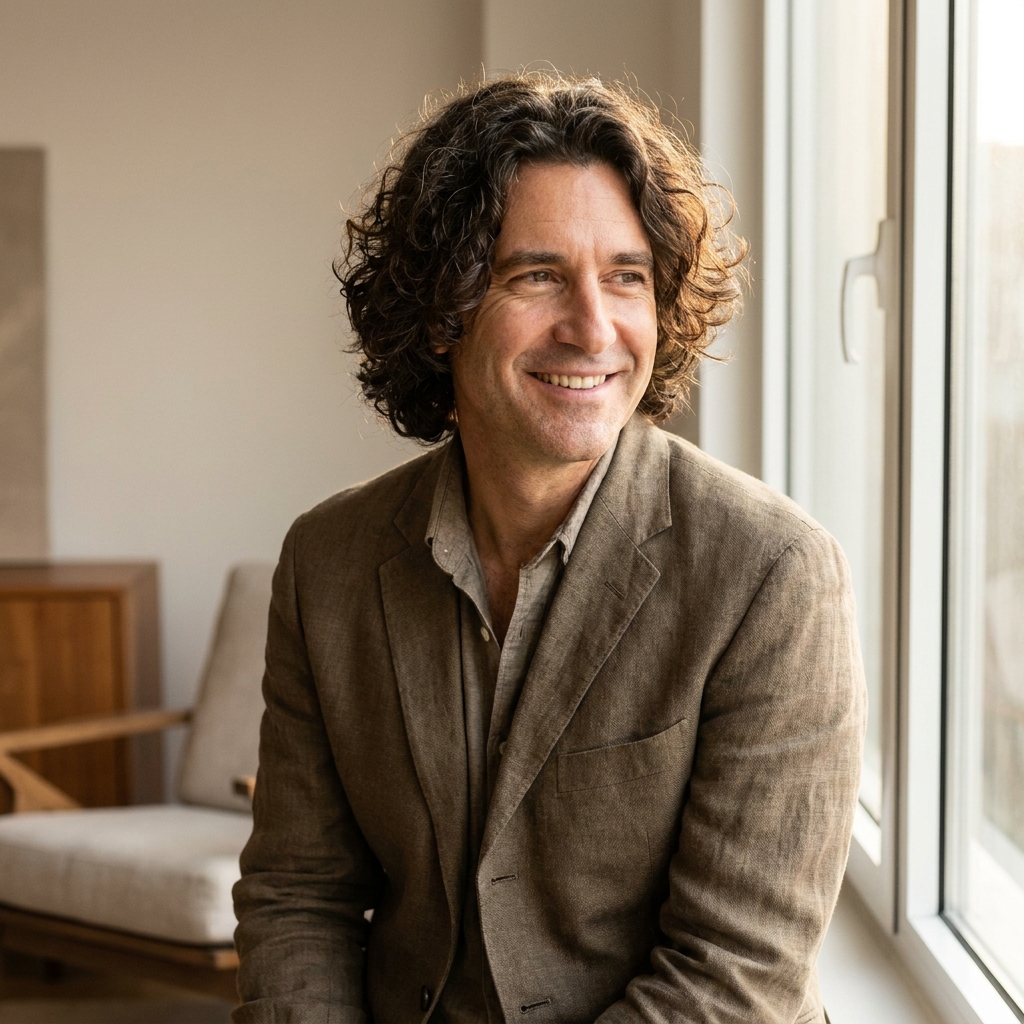
Many people live with a scalp scar they would rather not see. It might be a linear scar from a strip hair transplant years ago, a cluster of small dot scars from FUE extraction, an incision line from a surgical procedure, or a mark left by an accident. Many of these people also wear their hair long, and they have often reached the same conclusion: scalp micropigmentation (SMP) is not an option for them because SMP means shaving the head.
That assumption is understandable, but it is outdated. Scalp micropigmentation (SMP) is not only a shaved-head illusion. In skilled hands, it works as a targeted camouflage tool. Pigment can be blended through and around existing long hair to soften the contrast and texture that make a scar noticeable in the first place.
This guide covers three things:
- How long-hair SMP actually works
- How the technique applies to scar concealment
- The texture-based candidacy factors that much of the existing content leaves out
Scar concealment and long-hair SMP are usually treated as separate topics, often on separate service pages, leaving little guidance for people who have both a scar and long hair. This guide brings the two together.
Why So Many People Self-Disqualify From SMP
SMP was first developed for men with thinning hair or baldness. In its early form, it was not a good fit for long hair. The technique was not yet refined enough to convincingly imitate the look of hair growing through a longer style. Its strength was recreating the appearance of a closely shaved scalp.
That history shaped public perception. Before-and-after photos featuring buzzed heads became the defining image of SMP, and many people concluded that concealment of any kind required cutting hair short. For someone who has spent years growing their hair out to cover a scar, that seemed like trading one problem for another.
The technique has changed considerably since then. Providers now describe SMP as a broadly applicable hair loss solution, suitable for any gender and for almost every type and stage of hair loss, scar camouflage included.
There is also no specific hair-length requirement for SMP eligibility. The procedure works best on a healthy scalp, and it can address:
- A localized scar
- A specific thinning spot
- Diffuse thinning across a wider area
All of these can be treated while the patient keeps their hair long.
How SMP Actually Works With Long Hair
Density Fill vs. Traditional SMP
Long-hair SMP usually goes by the name “density fill” or “density SMP.” Traditional SMP focuses on structural hairline design: building a crisp frontal edge and a uniform pattern that imitates freshly shaved stubble. Density SMP has a different goal.
Placing Pigment Between Existing Strands
With density SMP, the practitioner places pigment between existing hair strands. The aim is not a shaved-scalp illusion but a reduction in the visible contrast between hair and skin, so the area looks fuller. When less pale scalp shows through, the eye reads the hair as denser.
The Soft Shadow Effect
The result is a soft, layered shadow beneath the hair. Classic male SMP depends on structure: a defined hairline and an even field of dots. Density work depends on subtlety. The pigment sits under the hair as a gentle tonal base, and the natural hair stays the visible feature.
Gradient Transitions
Experienced practitioners create a deliberate gradient where the pigmented area meets surrounding hair. Pigment density tapers gradually, so there is no harsh line marking where treatment ends and natural hair begins. This blending matters most around a scar, where any sharp edge would draw attention to the area being concealed.
Scar Concealment, Reframed: Camouflage Through Long Hair, Not Around It
Common Sources of Scalp Scarring
Scar camouflage SMP applies to several kinds of scarring:
- Prior hair transplant surgery, including FUT linear donor scars and FUE dot scarring
- Surgical procedures unrelated to hair restoration
- Injury or trauma, such as accidents that left visible marks on the scalp
A Common Reason Patients Seek SMP
Scar concealment is a major use case. Industry reporting indicates that roughly 30% of SMP clients have scars, including transplant scarring. Many people seeking SMP are not trying to recreate a hairline at all; they simply want a specific mark to stop standing out.
What the Outcomes Look Like
Results for scar concealment are encouraging. The same reporting suggests that most scar clients see roughly a 75% to 85% improvement in scar appearance after about three sessions. That is a substantial change for a non-surgical procedure, though it also shows that the goal is improvement rather than total disappearance.
Hair Length Does Not Determine Eligibility
Scar camouflage work does not depend on hair length. Providers state that the technique can hide a transplant scar by replicating the appearance of hair whether the patient has short or long hair. For long-haired patients, the pigment works with the hair that already covers the area.
Softening, Not Erasing
Pigment does not remove a scar. It changes how the scar reads visually. Scar tissue is often lighter than the surrounding scalp and has no follicles, so it shows up as a pale, empty strip or patch when hair parts or shifts. Placing pigment that imitates the look of follicles within and along the scar reduces that contrast. The scar blends into the surrounding area instead of interrupting it.
The Honest Candidacy Checklist: What Really Determines Success
Much of the SMP content online answers the long-hair question with a simple “yes, it works.” That is true for many patients, but it leaves out the factors that actually determine how good the result will be. A more useful answer looks at the details.
Hair Thickness and Natural Density
Finer or thinner hair generally lets pigment show through and blend more naturally around a scar. The pigment can contribute to the overall look of density because the hair does not completely hide it.
Curl Pattern
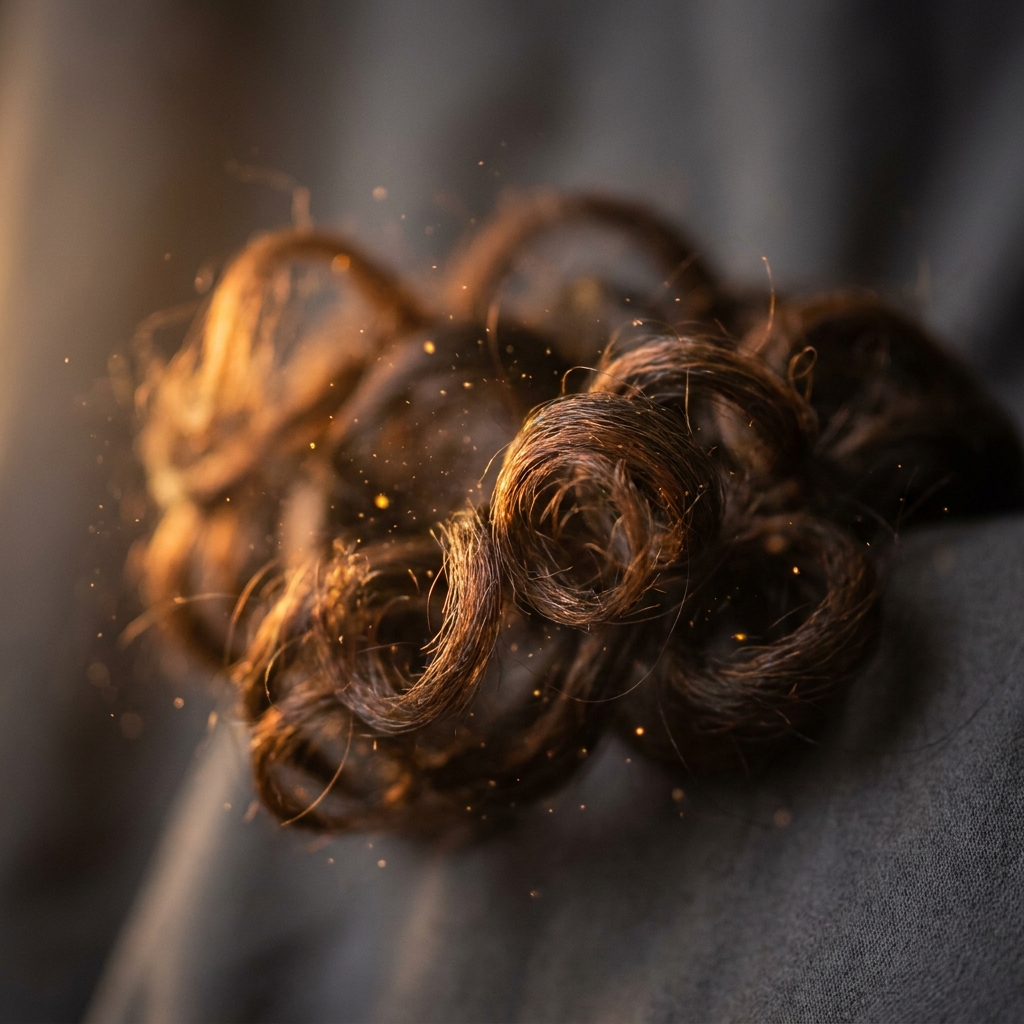
Not everyone with long hair gets the same results. Very thick or tightly curly hair can make seamless blending harder for practitioners. Curls change how the scalp is exposed and how light falls across it, and a realistic match takes more skill. This does not rule anyone out, but it does affect technique and expectations.
Color Contrast
The relationship between three colors matters:
- Natural hair color
- Scalp skin tone
- Scar tissue color
When hair is dark and the scar is noticeably pale, the contrast is high, and well-matched pigment can make a large visual difference. When hair, skin, and scar are closer in tone, the scar may already be less visible, and the pigment strategy changes accordingly. Practitioners have to account for all three to choose the right shade and density.
Scar Characteristics
The scar itself is a major variable:
- Size: A narrow linear scar is a different project from a broad patch of scar tissue.
- Texture: Flat scars usually take pigment most predictably. Raised or indented scars can catch light differently, which pigment alone cannot fully correct.
- Pliability: Scar tissue varies in how it accepts and holds pigment, which influences technique and the number of sessions needed.
Considerations, Not Disqualifiers
None of these factors is an automatic “no.” They are the points a qualified evaluation should examine. Most patients, including those with less-than-ideal texture or contrast, still have workable options. What changes is the technique and the realistic expectation for the result.
Why Scar Concealment on Long Hair Demands Clinical Precision
Two Different Disciplines
Standard male SMP typically recreates a hairline and simulates a buzzed look. The work is structured and fairly uniform. Long-hair and scar work is closer to a different artistic discipline: subtle, based on density, and built to sit unobtrusively beneath and between natural hair.
Working Around Follicles and Scar Tissue
Density SMP requires more precise placement than standard SMP. Practitioners work around existing hair follicles and place pigment in the gaps without overlapping real hairs. Around a scar, they must also deal with tissue that behaves differently from healthy scalp, and they must avoid visible patterning that would look artificial under the hair. This takes more experience than general SMP work.
The Zone-by-Zone Approach
Specialized providers use a zone-by-zone strategy instead of treating the scalp uniformly. This approach was developed for diffuse thinning patterns, including the widening-part pattern known in dermatology as the “Christmas Tree” pattern. The same principle applies to scar work. Each scar has its own borders, contours, and surrounding hair density. Mapping the area zone by zone lets the practitioner adjust pigment density along irregular edges so the transition stays natural.
Why Specialization Matters Here
Because the margin for error is narrow, experience matters more in scar and long-hair SMP than in routine shaved-look work. Shapiro Medical Group brings a clinical, zone-by-zone approach to this kind of density work. The practice has written specifically about the differences between Density SMP and standard SMP, reflecting an understanding that these are distinct techniques.
That approach is backed by broader credentials. Shapiro Medical Group’s physicians have focused exclusively on hair restoration since 1990. Dr. Ron Shapiro co-authored the textbook physicians often call the “Hair Transplant Bible,” and the team has lectured at more than 100 conferences in over 20 countries. The practice’s one-patient-per-day policy gives the team the time that careful, detailed work around scars requires. Because the practice also performs FUT and FUE surgery, its team is familiar with the specific characteristics of transplant scars.
What to Expect: Process, Timeline, and Longevity
The Consultation
The process starts with a thorough evaluation. A qualified provider will assess:
- Hair texture, thickness, and curl pattern
- Color contrast between hair, scalp, and scar
- Scar size, texture, and pliability
- Any existing thinning pattern that may affect the plan
From there, the provider builds a treatment plan for the patient’s specific situation.
A Short Series of Sessions
Density and scar-blending SMP usually needs only a short series of sessions, commonly two to three. Full-scalp work sometimes takes longer. Spacing the sessions allows pigment to settle and lets the practitioner refine density and shade gradually.
Longevity
SMP results typically last three to five years before a touch-up is recommended. That timeframe applies whether the patient keeps their hair long or later chooses a shorter style.
Life After Treatment
Patients can keep growing, styling, and wearing their hair long after treatment. Density SMP is designed to work alongside ongoing hair growth. The pigment supports the hair a person already has; it does not dictate how that hair must be worn.
Who This Guide Is Really For: Common Patient Scenarios
- Prior FUT patients with a visible linear scar. These patients often keep their hair long specifically to cover the donor scar and do not want to shave down to hide it. Density pigment can soften the scar so it is less noticeable when hair shifts or is cut.
- Patients with FUE dot scarring. Small pale dots can become visible when hair is parted or styled certain ways. Pigment can reduce the contrast between these dots and the surrounding scalp.
- Individuals with scars from unrelated surgery. People who have had a craniotomy or reconstructive procedure may want a non-surgical way to blend the area without additional operations.
- People with injury-related scalp scarring. Many people with scars from accidents or trauma have never considered SMP because they assumed it required a shaved head.
Each scenario relies on the same principle: pigment placed strategically through and around existing long hair, not a uniform shaved-head treatment.
Frequently Asked Questions
Does SMP work for someone who never plans to shave their head?
Yes. Density-fill SMP places pigment between existing strands to create the appearance of greater density under long hair. Scar camouflage does not depend on hair length, and providers apply it to both short and long hairstyles.
Will the pigment look obvious when hair is wet, pulled back, or styled differently?
Skilled practitioners use gradient blending so there is no harsh boundary between pigmented and untreated areas. Expectations should still be realistic. Wet hair, tight styles, and bright overhead lighting expose more scalp, so the treated area may be somewhat more visible in those conditions than in everyday styling. A good consultation covers how the result is likely to look in the patient’s usual routines.
What if the scar is raised or has uneven texture?
Texture is a core part of the candidacy evaluation. Flat scars generally give the most predictable results. Raised or indented scars can still benefit, but pigment changes color and contrast, not surface contour, so technique and expected outcome may differ.
Can SMP be combined with a future hair transplant?
SMP can complement surgical treatment. Some patients use it to improve density alongside transplanted hair, and others use it to camouflage donor-area scarring. A practice that offers both surgical and non-surgical options, as Shapiro Medical Group does, can plan the two together so they support each other over time.
Conclusion: A More Precise Way to Think About SMP and Scar Concealment
SMP for long hair is its own precise discipline, not a watered-down version of shaved-head SMP. Scar concealment fits naturally into that approach. In both cases, the goal is to reduce visual contrast by placing pigment carefully between and around existing hair.
Success depends on hair texture, curl pattern, color contrast, and the characteristics of the scar itself. There is no blanket yes-or-no answer. These are variables to assess individually.
The most reliable way to know what is achievable is a personalized, zone-by-zone clinical evaluation. People who have quietly ruled themselves out because they assumed SMP meant shaving their head have good reason to reconsider it for their situation.
Ready to Find Out If You’re a Candidate? Schedule a Consultation With Shapiro Medical Group
Anyone living with a scalp scar who wants to keep their hair long can start with a personalized consultation. Shapiro Medical Group’s clinical team evaluates scar characteristics, hair texture, curl pattern, and color contrast to give an honest picture of what SMP can and cannot do in each case.
Patients from across Minnesota, throughout the United States, and abroad choose the practice for several reasons:
- More than three decades of exclusive focus on hair restoration
- Board-certified physicians whose expertise is recognized by other doctors in the field
- A one-patient-per-day model that allows unhurried, individualized assessment
For anyone unsure whether their hair texture or scar type suits long-hair SMP, a consultation is the right next step. Prospective patients can contact Shapiro Medical Group through its website to schedule an evaluation.