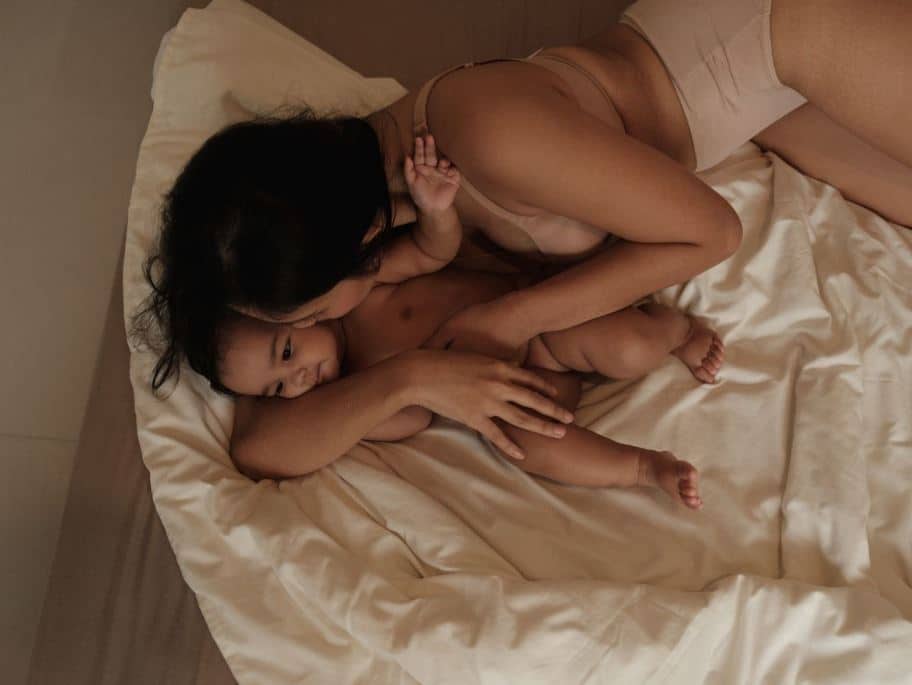
Going through postpartum hair loss can be a tough and emotional experience for new moms. Although it’s not uncommon to lose a significant amount of hair after giving birth, the psychological impact of postpartum hair loss can be heavy. It’s important to discuss postpartum hair loss so that new mothers are prepared for what to expect and know that there are ways to manage it.
What is Postpartum Hair Loss?
Postpartum hair loss is the process of shedding hair after pregnancy. It is a normal and natural process that occurs as the body adjusts to the hormonal changes that occurred during pregnancy. This hair loss can be distressing, especially for new mothers who are already adjusting to a new life with their baby.
What Causes Postpartum Hair Loss?
Postpartum hair loss is caused by a combination of hormonal changes during pregnancy, genetics, stress, and physical changes. Hormonal changes during pregnancy can affect the growth cycle of hair, leading to less hair falling out and more hair growing.
Once the hormones return to normal, the hair starts to shed, leading to postpartum hair loss. Additionally, stress, nutrient deficiencies, and physical changes can contribute to postpartum hair loss.
Postpartum Hair Loss Prevention and Treatment
- Maintaining a healthy diet: A balanced and nutritious diet that includes essential vitamins and minerals can help promote hair growth and prevent hair loss. Foods that are rich in vitamins A, C, and E, as well as iron and biotin, can help maintain healthy hair.
- Managing stress levels: Stress can have a significant impact on hair health, leading to hair loss. It’s important to find healthy ways to manage your stress levels, such as exercise, meditation, or spending time with loved ones.
- Using gentle hair care products: Chemical treatments and heat styling can damage hair and lead to hair loss. Using gentle hair care products, such as sulfate-free shampoos and conditioners, can help protect hair and prevent hair loss.
- Medications or supplements: In some cases, hair loss can be treated with medications or supplements. These can include minoxidil, a topical medication that is applied to the scalp, or biotin supplements. However, consult your doctor first before starting any new medications or supplements.
When You Should See a Doctor
In some cases, postpartum hair loss may be prolonged, and it may be necessary to see a doctor. If your hair loss persists for more than six months after giving birth, it may be time to seek professional help. Patients can consult Shapiro Medical, a leading hair loss clinic in Minneapolis, for a complete evaluation and personalized treatment plan.
Call us to schedule a consultation at Shapiro Medical Group. We serve patients in Minneapolis and surrounding areas including Golden Valley, Columbia Heights, Roseville, Richfield, and the greater Minnesota area.