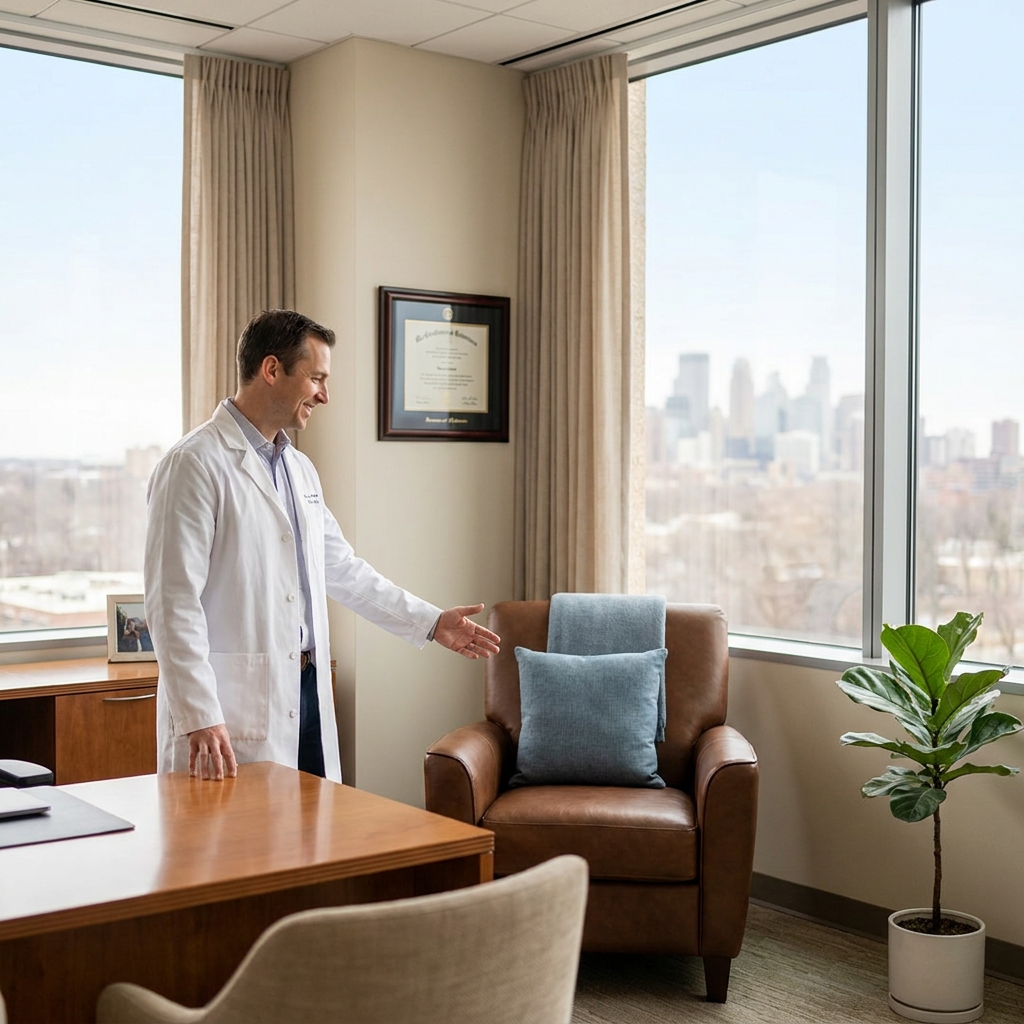
Fly-In Patient Hair Transplant Logistics: The Phase-by-Phase Travel Playbook
Introduction: Why the Fly-In Hair Transplant Model Is Now the Standard, Not the Exception
Roughly 70% of patients at leading U.S. hair transplant clinics fly in from other states or countries. That single statistic reframes the entire conversation: traveling for hair restoration is not a niche behavior reserved for the adventurous few. It is the norm.
The reason hair transplants fit the fly-in model so cleanly comes down to how the procedure works. There is no general anesthesia, no hospital stay, and no overnight admission. A typical session runs 4 to 8 hours under local anesthesia, and most patients return to normal activity, including work, within a day or two. That makes it one of the most travel-compatible surgical procedures in modern medicine.
The problem is that most guidance on fly-in logistics is scattered, contradictory, and disconnected from the biology of healing. Patients are left stitching together a plan from forum posts and conflicting recommendations that range from “fly in 24 hours” to “wait two weeks.” This playbook takes a different approach: every logistical decision is anchored to a specific clinical healing window, a framework best described as phase-gated planning.
This guide also speaks directly to the underserved domestic fly-in patient. Most existing content focuses on international medical tourism to Turkey, Mexico, or Thailand. Out-of-state U.S. travel has its own advantages and its own logistics, and both deserve dedicated attention.
Throughout, the established fly-in protocols at Shapiro Medical Group (SMG) in Minneapolis serve as the operational backbone. What follows covers every phase, from the virtual consultation through 12-month remote follow-up.
Understanding the Biology First: Why Healing Windows Drive Every Logistical Decision
Hair transplant logistics cannot be separated from biology. The healing timeline dictates when it is safe to fly, what the hotel setup needs to look like, and when remote follow-up becomes clinically meaningful.
The healing arc follows predictable milestones:
- Weeks 1 to 2: Initial surface healing
- Weeks 2 to 6: Shock loss and shedding (the “ugly duckling” phase)
- Months 2 to 3: Dormant phase with little visible activity
- Months 3 to 5: Early growth emergence
- Months 6 to 9: Visible density develops
- Months 12 to 18: Full, final results
The single highest-risk window is the first 48 to 72 hours after surgery, when graft displacement risk peaks. This is the biological justification for two of the most important principles in this guide: proximity-first accommodation and delayed flying timelines.
Swelling is not a minor side effect. Post-operative scalp swelling occurs in approximately 69.74% of FUE patients, which makes swelling management a central logistical concern rather than an afterthought.
Phase-gated decision-making means that every action, from booking flights to scheduling follow-up calls, is timed to align with a biological milestone rather than personal convenience. The two main procedure types, FUE and FUT, also carry meaningfully different healing profiles that directly affect flying timelines and recovery logistics.
Phase 1: The Virtual Consultation
Building the Logistical Foundation
According to the ISHRS 2025 Practice Census, 72% of prospective hair transplant patients now request an online consultation before committing to any provider. Virtual consultation is the standard first step, not a compromise.
A thorough virtual consultation for a fly-in patient should accomplish four things: determine procedure type (FUE vs. FUT), estimate graft count, identify pre-operative lab requirements, and produce a preliminary travel timeline. At Shapiro Medical Group, patients connect with the surgical team and patient coordinator Matt Z. to build a personalized plan before any travel is booked.
This is also where a critical practical question gets answered: does the patient need blood work completed at home before flying, or can it be handled on-site? For patients managing tight travel schedules, knowing this in advance prevents last-minute scrambling.
Remote credential verification is non-negotiable. Patients choosing a provider from a distance should confirm board certification, ISHRS membership, and peer-validated expertise. SMG’s credentials are unusually strong in this regard: Dr. Ron Shapiro co-authored the field’s leading textbook, and the team has lectured at over 100 conferences in more than 20 countries.
Two risks deserve special attention for fly-in patients. First, “ghost surgery”: patients should always confirm in advance exactly who will perform the procedure on the day. Second, the black-market clinic problem. In 2025, 59% of ISHRS member surgeons reported black-market clinics operating in their cities, up from 51% in 2021. When a patient cannot visit in person beforehand, remote verification is the only safeguard.
The output of Phase 1 is concrete: a confirmed procedure type, a preliminary travel window, a pre-op checklist, and an established point of contact.
Phase 2: Pre-Travel Preparation
The 72-Hour and 2-Week Checklists
Pre-travel preparation splits into two windows.
Two weeks before surgery:
- Stop blood thinners (aspirin, ibuprofen, fish oil) 1 to 2 weeks before surgery, as directed by the surgical team
- Confirm any prescription adjustments
- Complete required blood work (CBC, coagulation panel) if doing so at home
72 hours before surgery:
- Avoid alcohol for 3 to 5 days prior
- Confirm the hotel booking using the proximity-first principle
- Confirm flight arrival timing to allow adequate rest before procedure day
- Pack the post-op kit
The post-op travel kit should include a U-shaped neck pillow, loose-fitting button-up shirts (nothing pulled over the head), prescribed medications, saline spray, and the written post-op instructions from SMG.
One of the most common and avoidable mistakes is booking flights before confirming the post-op timeline with the surgeon. Patients should always confirm the surgical date and the post-op flying clearance window before purchasing non-refundable tickets.
Patients should also arrange a support plan: knowing who to contact if questions arise and understanding how SMG’s team remains accessible after they return home. Solo recovery is manageable, but it should be planned.
Finally, users of GLP-1 weight loss medications such as Wegovy and Ozempic increasingly experience hair shedding as a side effect. These patients may have unique pre-operative medication considerations worth raising during the virtual consultation.
Phase 3: Procedure Day Logistics
Arrival Through Departure From the Clinic
Under SMG’s one-patient-per-day model, procedure day follows a predictable sequence: arrival, a pre-operative consultation with the physician, the procedure itself (typically 4 to 8 hours under local anesthesia), and detailed post-operative instructions before the patient leaves.
For fly-in patients specifically, this model delivers a distinct advantage. There are no competing procedures pulling the surgical team’s attention, and the predictable timeline allows for reliable same-day hotel check-in planning.
Transport matters more than most patients expect. Getting from hotel to clinic and back should happen without risking scalp trauma, which is exactly why the proximity-first accommodation principle turns this into a short, low-risk journey.
When leaving the clinic, patients should expect bandaging, a clear understanding of the swelling onset timeline, and detailed medication instructions. SMG also provides surgeon-direct post-op communication, meaning patients have direct access to their surgical team rather than a general support line. For someone managing early recovery away from home, that access is a meaningful differentiator.
Practical reminders: patients should not drive after the procedure. They should arrange a companion or use a rideshare service and have the hotel address confirmed and accessible before leaving the clinic.
The Proximity-First Accommodation Principle: Why Hotel Choice Is a Clinical Decision
Hotel selection for a fly-in hair transplant patient is not a lifestyle preference. It is a clinical decision that directly affects graft survival during the highest-risk 48 to 72 hour window.
The biology is straightforward. Every unnecessary car ride, jarring movement, or extended transport in the immediate post-op period introduces displacement risk when grafts are most vulnerable. Booking accommodations within walking distance or a very short, smooth ride from the clinic minimizes that risk.
What to look for in a post-op hotel:
- Ground-floor or reliable elevator access
- A firm pillow setup capable of maintaining 45-degree head elevation
- Blackout curtains for rest
- Proximity to a pharmacy for prescription pickup
The common mistake is choosing a hotel based on amenities, brand loyalty, or proximity to tourist attractions. That prioritization creates avoidable risk at the worst possible moment. SMG’s patient coordinator team, including Matt Z., can provide accommodation guidance specific to the Minneapolis clinic, removing the guesswork for out-of-state patients unfamiliar with the area.
Phase 4: Post-Op Hotel Recovery
The First 48 to 72 Hours Away From Home
This is the most clinically critical period of the entire fly-in experience. Graft anchoring is incomplete and displacement risk is at its peak.
Head elevation: The head should be maintained at approximately 45 degrees at all times, including during sleep. Elevation reduces swelling and minimizes fluid pooling toward the forehead and eyes.
Swelling: Swelling typically peaks around days 2 to 4. This is normal, not a complication. Roughly 69.74% of FUE patients experience post-operative scalp swelling.
Medication compliance: All prescribed medications should be taken on schedule. Patients should not skip anti-inflammatory or antibiotic doses simply because they feel well.
Scalp care: SMG’s specific washing and saline spray instructions should be followed precisely. Improvising based on online forums introduces unnecessary risk.
Nutrition and hydration: Patients should stay well-hydrated, avoid salty foods that promote fluid retention, eat light and nutritious meals, and avoid alcohol entirely.
There is an emotional dimension as well. Mild anxiety, isolation, and uncertainty about whether healing is progressing normally are common during solo hotel recovery. SMG’s surgeon-direct communication line and Matt Z.’s coordinator support exist precisely to address these concerns.
When should a patient call? Unexpected bleeding, signs of infection, or severe pain warrant immediate contact. Ordinary swelling, tightness, and scabbing do not.
Phase 5: Flying Home Safely
The Procedure-Type and Flight-Duration Matrix
There is no single universal flying timeline after a hair transplant. The correct answer depends on two variables: procedure type and flight duration.
FUE Patients: Flying Timeline and In-Flight Protocol
FUE is the most travel-friendly technique, accounting for approximately 80% of all global surgical hair restoration procedures. It offers minimal scarring, no suture removal, and faster initial surface healing.
Most surgeons recommend waiting at least 5 to 7 days before flying. The CDC Yellow Book 2026 recommends delaying return air travel 10 to 14 days to reduce the risk of blood clots. Patients should follow their surgeon’s specific guidance.
- Short flights (under 3 hours): Lower risk profile after the 5 to 7 day window with surgeon clearance
- Longer flights (over 6 hours): Additional precautions are warranted; extended flight plans should be discussed explicitly with SMG before departure
In-flight protocol for FUE patients:
- Use a U-shaped neck pillow to protect grafts from headrests
- Choose an aisle seat for easier movement
- Avoid lifting heavy bags into overhead bins (blood pressure spike risk)
- Drink 8 to 10 oz of water per hour
- Avoid salty snacks
- Keep the head elevated at approximately 45 degrees
One persistent anxiety can be dismissed entirely: airport security scanners use non-ionizing electromagnetic waves that do not damage hair follicles, tissue, or grafts. No medical documentation is required for screening.
FUT (Strip) Patients: Stricter Flying Restrictions and Why
FUT patients face stricter flying timelines than FUE patients. Wound tension at the donor site, active suture lines, and donor-site integrity concerns create a more complex healing profile.
FUT patients should not fly until the surgical team confirms donor site stability, which typically means a longer minimum waiting period than FUE. Because FUT is often recommended for women and for patients requiring maximum graft counts, these patients should plan for a longer initial stay or a more conservative flying timeline.
While SMG uses techniques that minimize return-visit requirements, FUT patients should confirm suture type and removal timeline during the post-op consultation. This procedure-type variable is often ignored in generic content, and fly-in patients who receive FUT-relevant advice framed as universal guidance may fly too early and risk complications.
Phase 6: Remote Follow-Up
The 12-Month Milestone Protocol
Remote follow-up is not a compromise. It is clinically validated. A JAAD systematic review and a 2025 University of Pittsburgh study found definitive remote diagnosis in 91.3% of hair loss cases, while telemedicine-based alopecia assessment has achieved up to 100% diagnostic accuracy in published research.
By 2026, an estimated 25 to 30% of all U.S. medical visits are conducted via telemedicine. Virtual follow-up is proven standard of care.
The 5-Milestone Remote Follow-Up Schedule
- 1-Week Milestone: Graft anchoring confirmation, swelling assessment, medication compliance check, and donor area inspection via photo submission. SMG’s surgeon-direct post-op call typically occurs at this point.
- 1-Month Milestone: Scalp healing assessment, donor area recovery evaluation, and finasteride/minoxidil compliance review. Notably, 72.3% of surgeons prescribe finasteride post-transplant to protect native hair.
- 3-Month Milestone: Early growth check. Patients often experience anxiety during the dormant phase when little visible progress is apparent. Remote reassurance matters here both clinically and psychologically.
- 6-Month Milestone: Visible density assessment and comparison against pre-procedure baseline photos.
- 12-Month Milestone (and 18-month for full assessment): Full results evaluation, final documentation, and a long-term maintenance plan.
SMG’s photo submission protocol uses standardized lighting, angles, and timing so the surgical team can conduct assessments equivalent to in-person evaluations. Clinics offering remote video consultations report 30% higher patient satisfaction and return rates, and structured research shows 96.66% of telemedicine-followed patients reported significant time savings.
The Domestic Fly-In Advantage: Why Out-of-State U.S. Travel Differs From International Medical Tourism
Most fly-in content focuses on international destinations and overlooks the domestic out-of-state patient. That is a meaningful gap, because the two experiences are not equivalent.
The CDC Yellow Book 2026 specifically warns about infection control variability and inadequate post-surgical follow-up outside the United States. Domestic travel sidesteps these risks entirely. Researchers have described hair transplant tourism as operating in a “permissive regulatory environment” with a “data black hole,” creating real patient vulnerability.
The consequences are visible in the data. Repair procedures climbed to 6.9% of all hair transplants in 2024, and 10% of repair cases stemmed from prior black-market procedures. This “repair tourism” trend increasingly sends patients to U.S. specialists to correct failed overseas work.
Domestic fly-in advantages are concrete: the same regulatory environment, no language barriers, no time zone disruption affecting recovery, easier follow-up communication, and no international travel fatigue compounding recovery. North America contributed 33.29% of global hair transplant revenue in 2025, making it the world’s largest regional market. The expertise and infrastructure for world-class hair restoration exist domestically.
The Emotional Dimension of Solo Fly-In Recovery: What No One Tells You
The psychological experience of solo out-of-state recovery is real and rarely addressed. Common experiences include pre-procedure anxiety, post-procedure uncertainty about normal healing, mild isolation during hotel recovery, and the emotional weight of the shedding phase in weeks 2 to 6.
SMG’s structure is built to address these dimensions. The one-patient-per-day model means the surgical team is fully present and unhurried on procedure day. The surgeon-direct post-op call delivers reassurance during the highest-anxiety window. Matt Z.’s coordinator role provides a consistent, knowledgeable point of contact throughout.
Having a named person to contact, rather than a general clinic line, significantly reduces anxiety for patients recovering alone in an unfamiliar city. Practical preparation helps as well: setting realistic timeline expectations, understanding that shock loss is temporary, and saving SMG’s contact information before leaving Minneapolis. Research reinforces the point, with 93.33% of telemedicine-followed patients reporting high satisfaction with communication speed.
SMG’s Fly-In Protocol: How Shapiro Medical Group Has Operationalized Out-of-State Patient Care
Every phase in this playbook maps onto protocols SMG already runs.
- Virtual consultation infrastructure: Remote evaluation, procedure planning, and travel timelines are established before any commitment is made.
- One-patient-per-day model: Predictable timing, undivided attention, and a clear departure window allow fly-in patients to plan travel with confidence.
- Surgeon credentials as remote trust signals: Dr. Ron Shapiro’s textbook co-authorship, lecturing at 100+ conferences across 20+ countries, and the notable fact that physicians from other practices travel to SMG for their own procedures.
- Matt Z.’s coordinator role: A named point of contact supporting fly-in patients from inquiry through the full recovery arc.
- Surgeon-direct post-op communication: Direct accessibility after the patient returns home.
- Structured photo-based follow-up: A defined protocol for evaluating progress photos at each milestone.
Underpinning all of it is SMG’s exclusive focus on hair transplantation since 1990. This is not a generalist practice adding a service to a menu. It is the entire clinical mission.
Common Fly-In Logistics Mistakes and How to Avoid Them
- Booking non-refundable flights before confirming the post-op flying clearance window
- Choosing a hotel based on amenities rather than proximity to the clinic
- Flying too soon based on generic advice instead of surgeon-specific, procedure-type guidance
- Skipping the virtual consultation and planning travel without a confirmed procedure plan
- Packing clothing that must be pulled over the head instead of button-up shirts
- Neglecting in-flight precautions such as the neck pillow, hydration, and aisle seating
- Assuming airport scanners threaten grafts (they do not)
- Failing to save a named clinic contact before traveling
- Leaving prescribed medications in checked bags rather than carry-on
Conclusion: A Biology-Anchored Plan Removes the Guesswork From Fly-In Hair Transplant Travel
Fly-in hair transplant logistics stop feeling complicated the moment every decision is anchored to the biology of healing. The framework is sequential and clear: virtual consultation, pre-travel preparation, procedure day, proximity-first hotel recovery, a biology-appropriate flying timeline, and structured 12-month remote follow-up.
Domestic travel to a specialized hair transplant clinic carries real advantages over international options: regulatory consistency, no language barriers, direct surgeon access, and a proven remote follow-up infrastructure. The emotional side of solo recovery becomes manageable when a clinic has genuinely operationalized support, which is exactly what SMG’s one-patient-per-day model, surgeon-direct calls, and dedicated coordinator provide.
The fly-in model is the established norm, and patients who plan with a structured, biology-anchored approach consistently achieve the best outcomes.
Ready to Plan a Fly-In Procedure With Shapiro Medical Group?
The first and most important step in this framework is the virtual consultation, and it is the right starting point regardless of where a patient is located. No in-person visit is required to begin.
Out-of-state patients with logistical questions can connect with Matt Z. and the patient coordinator team as their first point of contact. Behind them stands a practice defined by 30+ years of exclusive hair transplant specialization, the one-patient-per-day model, and a surgical team whose expertise is validated by peers worldwide.
Schedule a virtual consultation through the Shapiro Medical Group website to receive a personalized procedure plan and a travel timeline tailored to each patient’s specific situation.