Hair loss can be a frustrating and emotional experience, leaving many wondering: What is the best treatment for hair loss? Whether you’re noticing a receding hairline, thinning crown, or bald spots, you’re not alone. Millions face hair loss, but the good news is—there are solutions that work.
Understanding Hair Loss: Why Does It Happen?
Hair loss can stem from various causes, including:
- Genetics (Male & Female Pattern Baldness)
- Hormonal Changes (Pregnancy, Menopause, Thyroid Issues)
- Medical Conditions & Medications
- Stress & Lifestyle Factors (Poor Diet, Smoking, Lack of Sleep)
- Hair Damage (Tight Hairstyles, Excessive Heat Styling)
No matter the cause, the key is finding a treatment tailored to you.
What Are the Best Hair Loss Treatments?
There are several options when it comes to hair restoration. The right solution depends on the severity of your hair loss, budget, and personal preferences.
1. Hair Transplant Surgery – The Gold Standard
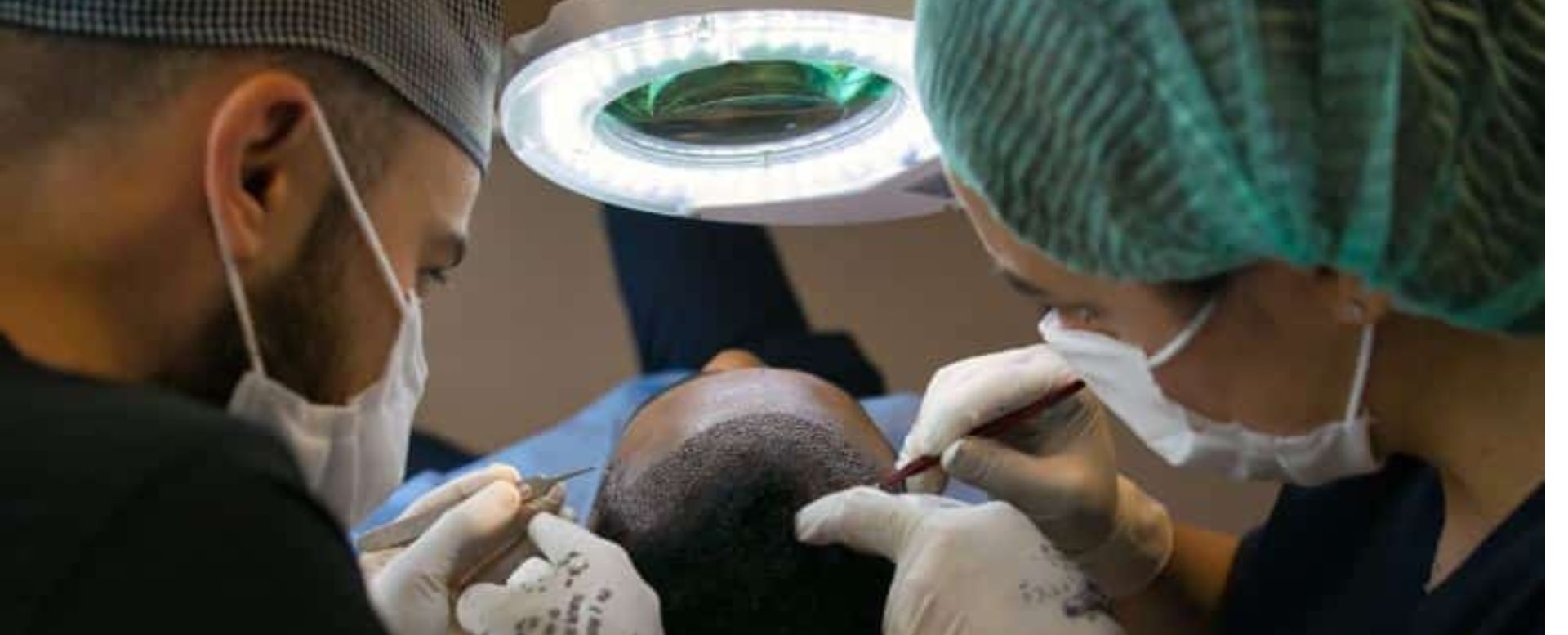
For those seeking a permanent and natural-looking solution, hair transplantation is the most effective option. At Shapiro Medical Group, we specialize in two advanced techniques:
- Follicular Unit Extraction (FUE): Individual hair follicles are extracted, and then transplanted for a scar-free, natural look.
- Follicular Unit Transplantation (FUT): A thin strip of hair is removed and dissected into individual grafts, allowing for high-density restoration.
With over 25 years of experience, our physicians have set the global standard in hair restoration, even teaching other surgeons worldwide.
2. Non-Surgical Hair Restoration Options

If surgery isn’t the right fit, there are still effective treatments to slow or reverse hair loss:
- Minoxidil (Rogaine): A topical treatment that stimulates hair growth.
- Finasteride (Propecia): A prescription pill that prevents further hair loss.
- Low-Level Laser Therapy (LLLT): Devices like laser caps encourage hair regrowth.
- Platelet-Rich Plasma (PRP) Therapy: Uses your own blood platelets to stimulate hair growth naturally.
3. Lifestyle Changes & Scalp Health
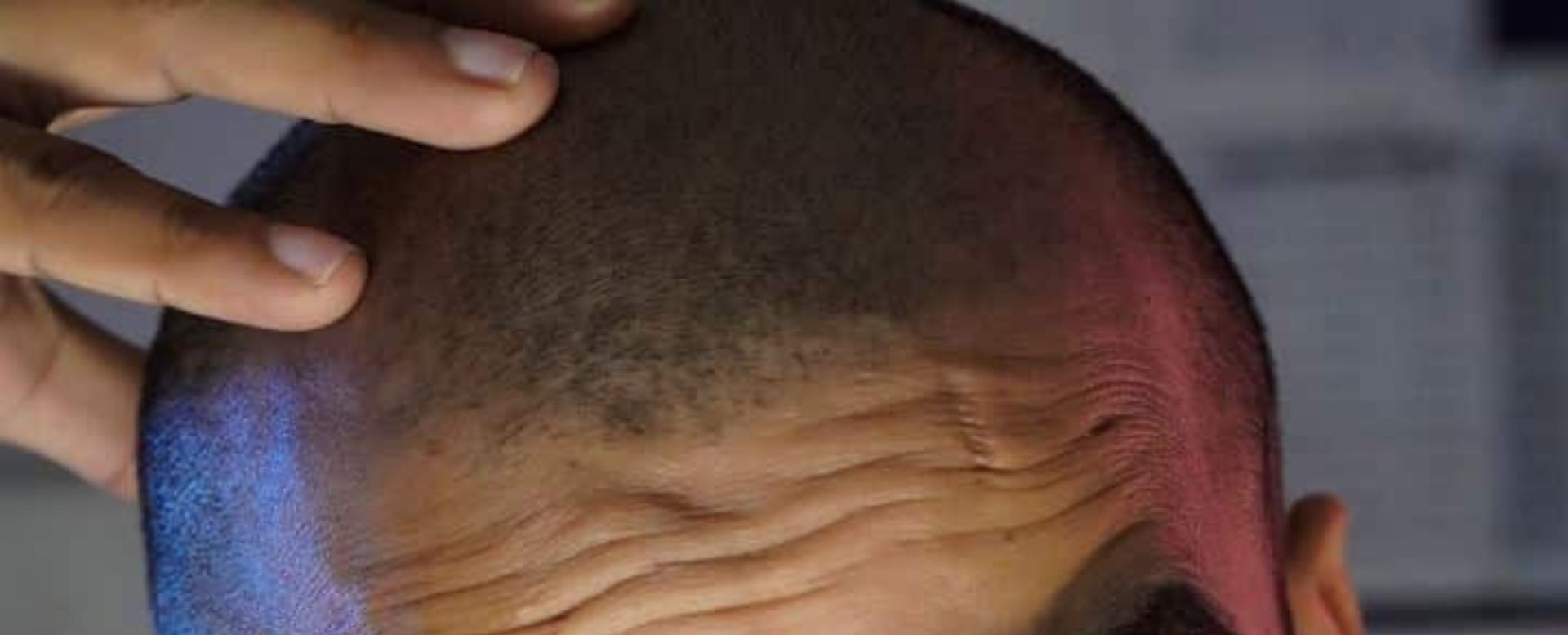
In addition to medical treatments, taking good care of your scalp and overall health can improve results:
- Eat a nutrient-rich diet (Iron, Biotin, and Protein help hair growth)
- Avoid harsh hair treatments (heat styling, tight ponytails, and chemicals)
- Reduce stress (yoga, meditation, and good sleep habits can minimize shedding)
Why Choose Shapiro Medical Group?

With so many clinics claiming to be the best, what sets Shapiro Medical Group apart?
- 25+ Years of Expertise: Recognized as an international leader in hair transplantation.
- Personalized Care: We only schedule one procedure per day—ensuring 100% focus on you.
- Physicians Who Teach Other Surgeons: Dr. Ron Shapiro co-authored the textbook on hair transplantation.
- Trusted by Patients & Doctors Alike: Even other physicians choose us for their hair restoration.
Your hair plays a big role in your confidence. If you’re struggling with hair loss, you’re not alone—and we’re here to help.
Ready to Restore Your Hair?
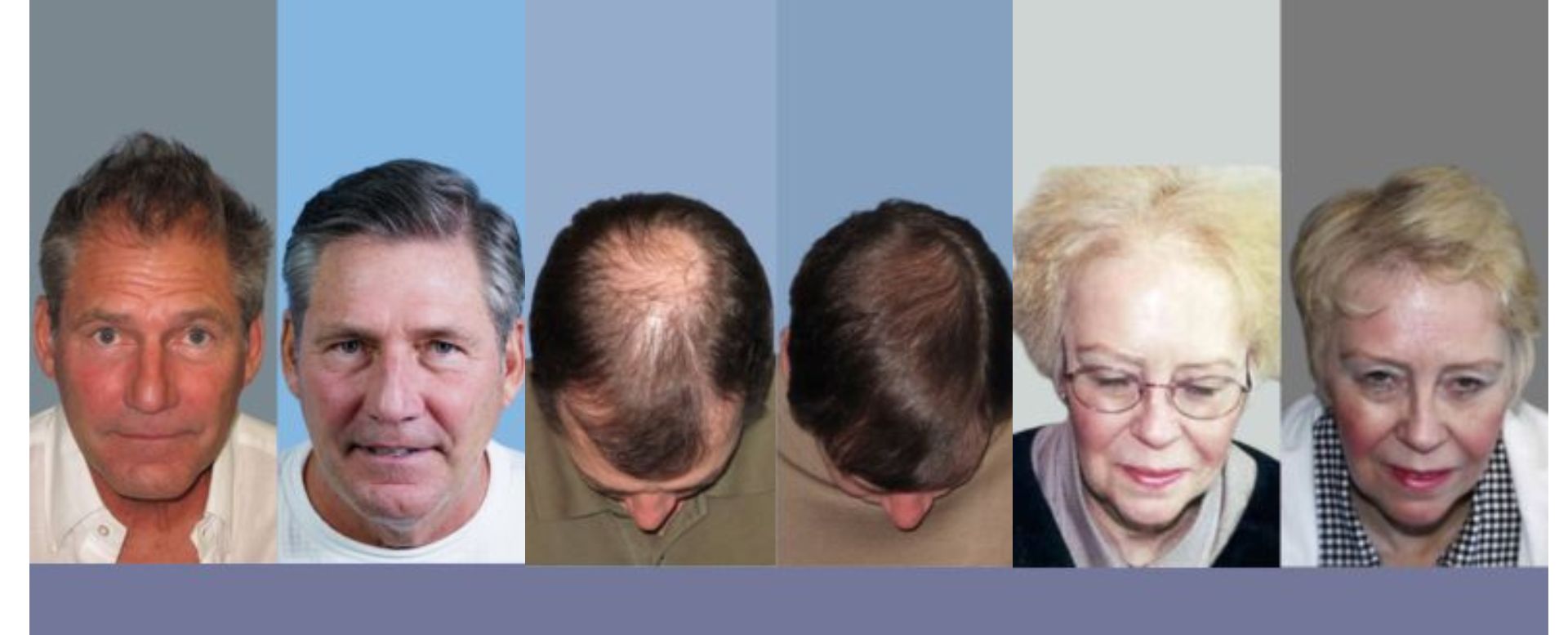
The best way to determine your ideal treatment is through a one-on-one consultation with our expert physicians. We’ll assess your hair loss, discuss options, and develop a personalized treatment plan.
Let’s start your journey back to confidence—one hair at a time!