Understanding Hair Loss: Why It Happens & What You Can Do About It
Hair loss can be frustrating, stressful, and even emotional. If you’re noticing a receding hairline, thinning at the crown, or excessive shedding, you’re definitely not alone. Millions of men experience hair loss due to genetics, hormones, stress, and other factors. But here’s the good news: there are effective treatments available, and you can take action today.
How Many Men Use Hair Therapy Medication?
It’s estimated that millions of men worldwide use some form of hair therapy medication to help combat hair loss. The most common treatments include FDA-approved medications like finasteride (Propecia) and minoxidil (Rogaine), both of which have been clinically proven to slow down hair loss and, in some cases, promote regrowth.
- Minoxidil (Rogaine): A topical treatment that increases blood flow to hair follicles, stimulating growth.
- Finasteride (Propecia): An oral medication that blocks DHT, the hormone responsible for male pattern baldness.
- Dutasteride: A stronger alternative to finasteride, often prescribed for more aggressive hair loss cases.
Do Hair Loss Medications Actually Work?
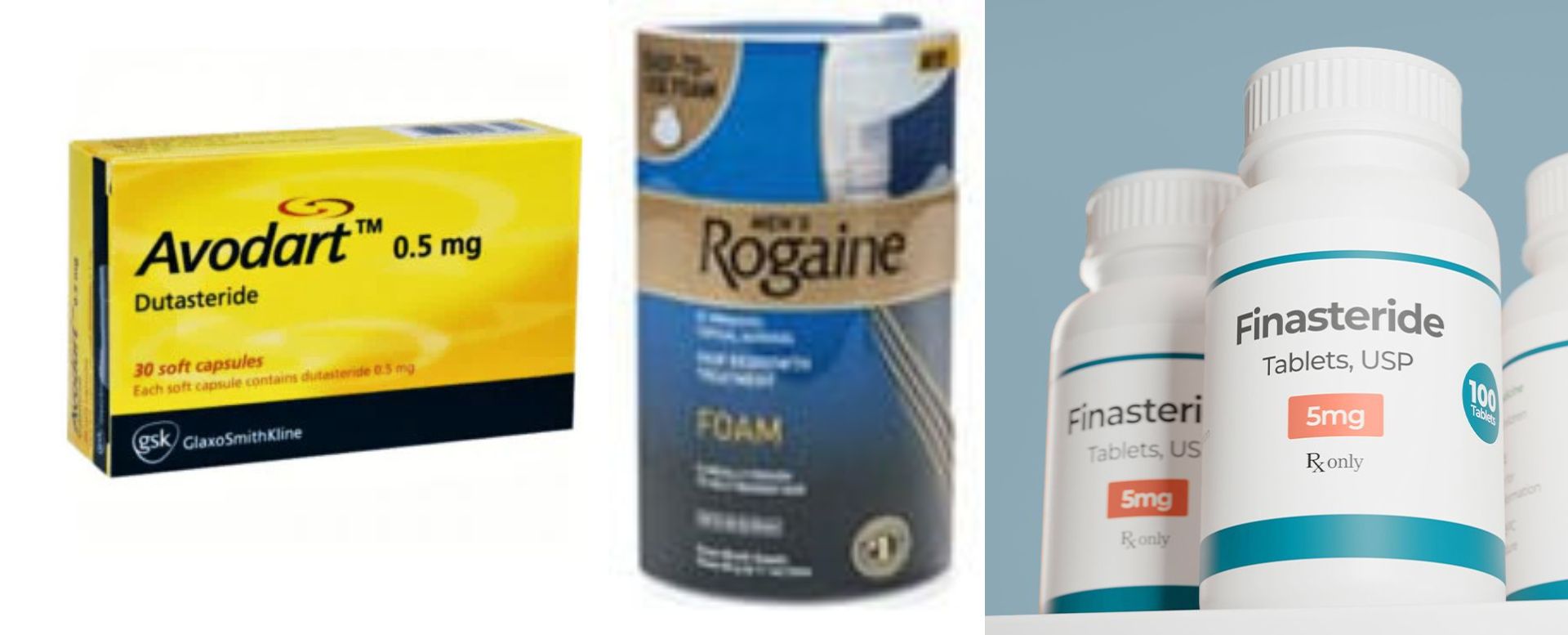
The simple answer: Yes, but results vary. Clinical studies show that minoxidil can help over 60% of men experience some regrowth, while finasteride has been found to reduce hair loss progression in over 80% of men.
Are There Side Effects?
While generally safe, these medications do have potential side effects:
- Minoxidil: Scalp irritation, dryness, or increased shedding (temporary).
- Finasteride: Reduced libido, erectile dysfunction (affects a small percentage of users).
- Dutasteride: Similar to finasteride but may have a slightly higher risk of side effects.
Beyond Medication: A Holistic Approach to Hair Health
While medication plays a role, combining it with other treatments can maximize results. Consider these options:
- Hair Transplant Surgery: A permanent solution for hair restoration.
- Low-Level Laser Therapy (LLLT): Stimulates hair follicles with light energy.
- PRP (Platelet-Rich Plasma) Therapy: Uses your own blood’s growth factors to encourage hair growth.
- A Healthy Diet: Nutrient-rich foods like eggs, spinach, and nuts support hair health.
- Reducing Stress: Chronic stress can contribute to hair loss—try exercise, meditation, or therapy.
Why Choose Shapiro Medical Group?

If you’re serious about restoring your hair, you need an expert team that understands your concerns. Shapiro Medical Group has been a world leader in hair restoration for over 25 years, providing cutting-edge treatments tailored to each patient.
What Sets Us Apart?
- Led by world-renowned experts in hair restoration surgery.
- One procedure per day—ensuring you get undivided attention.
- Innovators in the field, contributing to textbooks and global conferences.
- Both surgical & non-surgical options tailored to your needs.
Take the First Step Toward Hair Restoration
Hair loss doesn’t have to be permanent. Whether you’re exploring medications, transplants, or other treatments, we’re here to help. Book a free consultation with Shapiro Medical Group today and take control of your hair’s future.